

Natural stone countertops are a popular choice for many homeowners due to their beauty, durability, and timeless appeal. However, one common concern is whether these countertops are stain-resistant. Understanding the stain-resistant properties of various natural stones, such as granite, marble, and quartzite, can help you make an informed decision for your kitchen. This article explores the stain resistance of natural stone countertops, with a particular focus on custom granite countertops in Anderson, SC. We will also address four popular questions about stain resistance and maintenance. For expert advice and high-quality products, Anderson Granite & Marble Shop is your go-to source.
Understanding Stain Resistance in Natural Stone Countertops
The stain resistance of natural stone countertops depends on several factors, including the type of stone, its porosity, and whether it has been properly sealed. Different types of natural stone have varying levels of porosity, which affects their susceptibility to staining.
Granite:
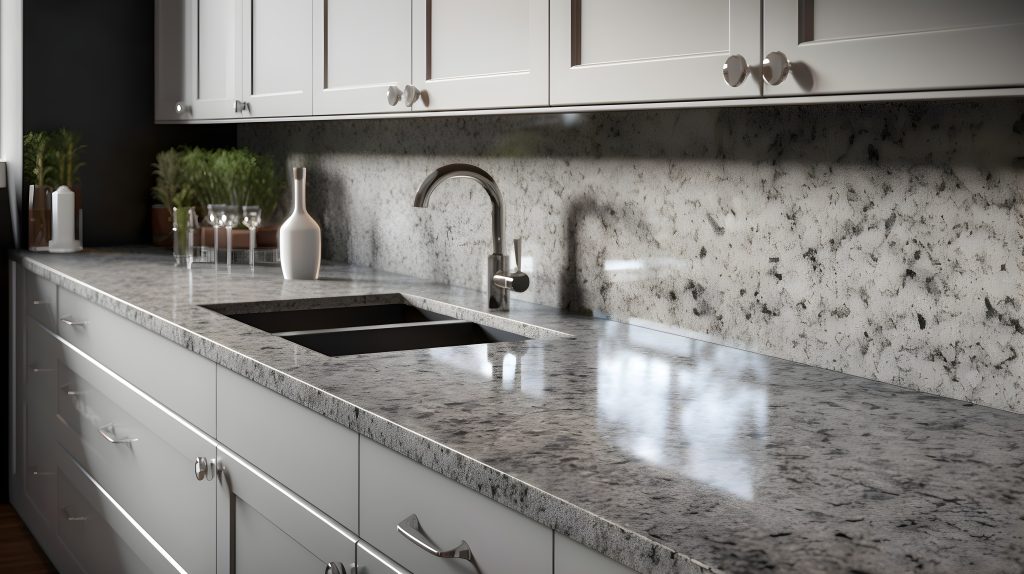
Granite is an igneous rock that forms from the cooling and solidification of magma. It is known for its durability and relatively low porosity compared to other natural stones. Granite is naturally stain-resistant, but sealing enhances its ability to repel liquids and resist stains. Properly sealed granite countertops can handle common kitchen spills, such as coffee, wine, and oil, without becoming stained.
Marble:
Marble is a metamorphic rock formed from limestone subjected to high pressure and temperature. It is more porous than granite, making it more susceptible to staining, especially from acidic substances like lemon juice, vinegar, and wine. Sealing marble countertops is crucial to protect them from stains and etching. Despite its higher maintenance needs, marble remains a popular choice for its elegant appearance.
Quartzite:
Quartzite is a natural stone that forms from sandstone through a process of recrystallization. It is highly durable and has similar properties to granite. Quartzite is less porous than marble but more porous than granite. Sealing quartzite countertops enhances their stain resistance, making them a great choice for kitchens.
Soapstone:
Soapstone is a dense, non-porous metamorphic rock that is highly resistant to stains. Unlike granite, marble, and quartzite, soapstone does not require sealing. However, it benefits from regular applications of mineral oil to enhance its natural patina and darken the stone.
Expert Insight: Anderson Granite & Marble Shop emphasizes the importance of sealing natural stone countertops to enhance their stain resistance. Proper maintenance, including regular sealing, ensures that your countertops remain beautiful and functional for years to come.
Popular Questions About Stain Resistance in Natural Stone Countertops
1. Are Granite Countertops Stain-Resistant?
Answer: Yes, granite countertops are naturally stain-resistant, but sealing is necessary to enhance their stain resistance. Granite’s low porosity makes it less likely to absorb liquids and become stained. However, spills should still be wiped up promptly to prevent potential staining. Regular sealing, typically every 6-12 months, helps maintain the protective barrier and keeps your countertops looking pristine.
Expert Insight: Anderson Granite & Marble Shop recommends sealing granite countertops to ensure optimal stain resistance. Their team can provide professional sealing services and guidance on maintaining your granite countertops.
2. How Do I Maintain Marble Countertops to Prevent Staining?
Answer: Maintaining marble countertops to prevent staining requires regular sealing and careful cleaning. Here are some tips to keep your marble countertops looking their best:
- Sealing: Seal marble countertops every 3-6 months to create a protective barrier against stains. Sealing helps reduce the porosity of the stone and prevents liquids from penetrating the surface.
- Cleaning: Clean marble countertops with a pH-neutral cleaner to avoid damaging the stone. Avoid using acidic or abrasive cleaners, which can etch and stain the marble.
- Spill Management: Wipe up spills immediately, especially acidic substances like lemon juice, vinegar, and wine. Use coasters and placemats to protect the surface from potential stains.
- Regular Maintenance: Regularly inspect your countertops for signs of wear and reapply the sealer as needed to maintain their stain resistance.
Expert Insight: Anderson Granite & Marble Shop advises homeowners to follow a strict maintenance routine for marble countertops to prevent staining and etching. Their team offers professional sealing and maintenance services to keep your marble countertops in top condition.
3. Can Quartzite Countertops Stain?
Answer: Quartzite countertops are less porous than marble but more porous than granite, making them moderately susceptible to staining. Sealing quartzite countertops is essential to enhance their stain resistance. With proper sealing and maintenance, quartzite can handle common kitchen spills without becoming stained. Regular cleaning and prompt spill management are key to maintaining the beauty of quartzite countertops.
Expert Insight: Anderson Granite & Marble Shop recommends sealing quartzite countertops every 6-12 months to maintain their stain resistance. Their team can provide expert sealing services and advice on caring for quartzite surfaces.
4. Do Soapstone Countertops Require Sealing to Prevent Stains?
Answer: No, soapstone countertops do not require sealing because they are non-porous and highly resistant to stains. Unlike other natural stones, soapstone’s dense composition prevents liquids from penetrating the surface. However, applying mineral oil to soapstone enhances its natural patina and darkens the stone. Regular oiling helps maintain the desired appearance and provides an extra layer of protection.
Expert Insight: Anderson Granite & Marble Shop highlights the low-maintenance nature of soapstone countertops. While sealing is not necessary, regular applications of mineral oil help enhance the stone’s natural beauty and provide additional protection.
Conclusion
Natural stone countertops, including granite, marble, quartzite, and soapstone, offer varying levels of stain resistance based on their porosity and maintenance practices. Understanding the properties of each type of stone and taking proper care can help you maintain their beauty and functionality. For custom granite countertops in Anderson, SC, and other natural stone options, Anderson Granite & Marble Shop provides expert guidance and high-quality products to meet your needs.
By addressing popular questions about the stain resistance of natural stone countertops, this guide aims to provide valuable insights and help you make an informed decision for your kitchen. Whether you prioritize the durability and low maintenance of granite, the elegant appearance of marble, the practicality of quartzite, or the unique charm of soapstone, investing in high-quality natural stone countertops will enhance the value and enjoyment of your home for years to come.
Additional Tips for Maintaining Stain Resistance
1. Regular Cleaning: Clean your countertops regularly with a mild, pH-neutral cleaner to prevent buildup of dirt and grime. Avoid using harsh chemicals or abrasive cleaners that can damage the surface.
2. Prompt Spill Management: Always wipe up spills immediately to prevent liquids from penetrating the stone. Use coasters, trivets, and placemats to protect the surface from spills and stains.
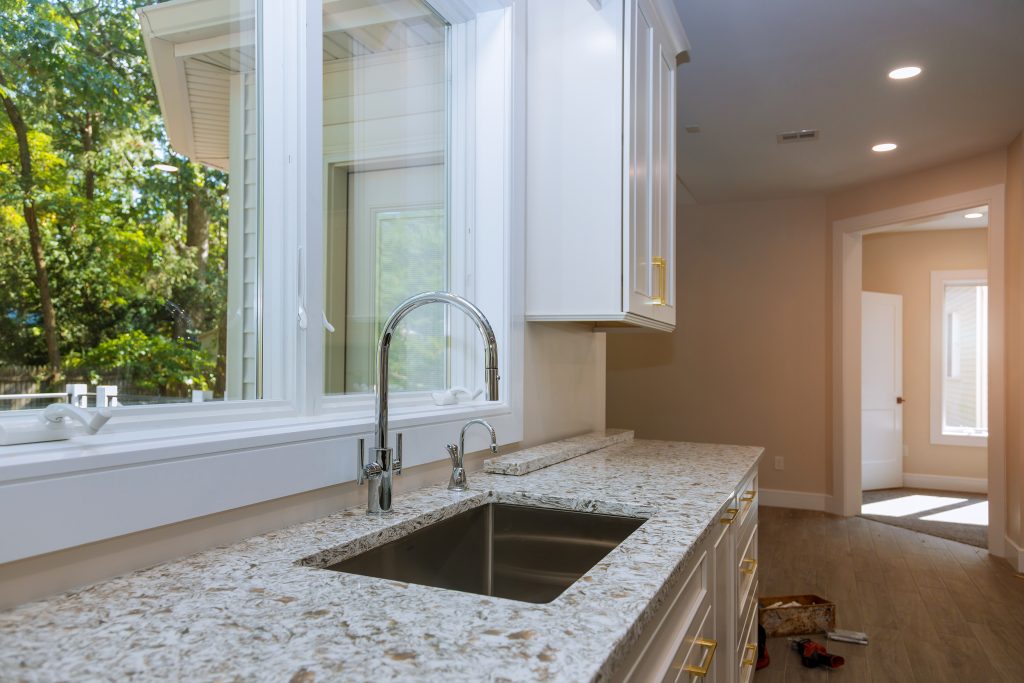
3. Professional Maintenance: Consider professional sealing and maintenance services to ensure your countertops are properly cared for. Professionals have the expertise and products to maintain the protective barrier and keep your countertops looking their best.
4. Educate Yourself: Understand the specific care requirements of your chosen natural stone. Each type of stone has unique properties and maintenance needs, so educating yourself on proper care can help you avoid common pitfalls and maintain the beauty of your countertops.
Expert Insight: Anderson Granite & Marble Shop provides comprehensive maintenance services and expert advice to help you care for your natural stone countertops. Their team is dedicated to ensuring that your investment remains beautiful and functional for years to come.
Investing in natural stone countertops is a significant decision that can transform the look and feel of your kitchen. By choosing the right stone and following proper maintenance practices, you can enjoy the beauty and durability of natural stone for years to come. Trust Anderson Granite & Marble Shop to guide you through the selection process and provide the highest quality products and services for your home.