

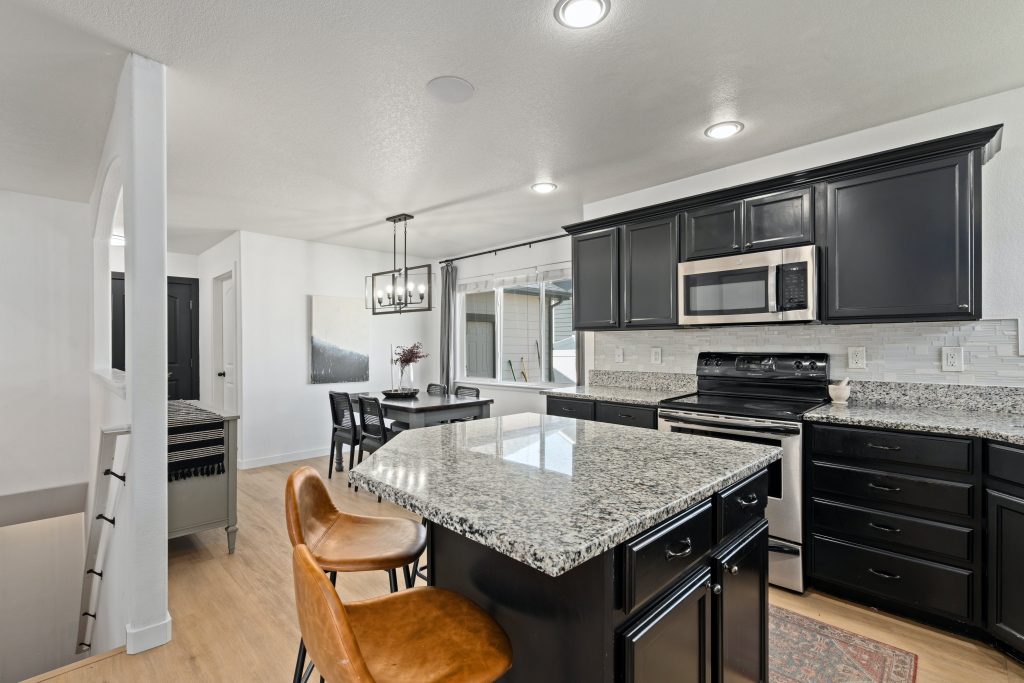
Granite countertops are a popular choice for kitchens due to their stunning appearance and robust durability. But can they truly withstand the high temperatures and heavy usage typical of a bustling kitchen? In this article, we will explore the resilience of granite countertops, particularly in high-demand environments, and answer some frequently asked questions to help you make an informed decision. We’ll also highlight some key insights from granite countertop stores in Spartanburg, SC, and the expert advice from Anderson Granite & Marble Shop.
1. What Makes Granite Countertops Heat Resistant?
Granite is an igneous rock, formed from cooled magma. This geological process makes it incredibly hard and heat resistant. Unlike other countertop materials, granite can withstand the high temperatures of pots and pans directly placed on its surface without sustaining damage. This resistance to heat is one of the reasons why granite is favored in kitchens, where cooking activities can reach intense levels.
Granite Countertop Stores in Spartanburg, SC emphasize the natural heat resistance of granite as a key selling point. When properly sealed, granite countertops can handle temperatures up to 480 degrees Fahrenheit, making them ideal for a kitchen setting.
2. How Does Granite Stand Up to Heavy Usage?
Granite countertops are not only heat resistant but also highly durable. They can endure the daily wear and tear of a busy kitchen, including cutting, chopping, and accidental impacts. Granite’s hardness rating on the Mohs scale is between 6 and 7, making it one of the hardest natural stones used in countertops. This means it is less likely to scratch, chip, or crack under normal kitchen usage.
Anderson Granite & Marble Shop ensures that their granite countertops are sourced from reputable suppliers and undergo rigorous quality checks. This guarantees that customers receive a product that can stand up to heavy usage, maintaining its beauty and functionality over time.
3. What Maintenance Is Required for Granite Countertops?
While granite is durable, it does require some maintenance to keep it looking its best. Sealing is a crucial part of granite countertop care. Unsealed granite is porous and can absorb liquids, leading to stains. However, when properly sealed, granite becomes resistant to stains and spills.
Sealing should be done at least once a year, though high-quality sealers can extend this period. Regular cleaning with mild soap and water is usually sufficient to keep granite countertops clean. Avoid using harsh chemicals or abrasive cleaners, as they can damage the sealant and the stone itself.
Granite countertop stores in Spartanburg, SC, like Anderson Granite & Marble Shop, provide detailed maintenance instructions to their customers, ensuring they can enjoy the long-lasting beauty of their granite countertops with minimal effort.
4. Are There Any Drawbacks to Using Granite Countertops?
While granite countertops offer many benefits, there are a few potential drawbacks to consider. First, the initial cost of granite can be higher compared to other materials like laminate or tile. However, this investment is often justified by granite’s durability and aesthetic appeal, which can enhance home value.
Second, granite countertops are heavy and require proper support from cabinets and structures. This might necessitate additional reinforcement during installation.
Finally, although granite is heat resistant, it is not entirely impervious to thermal shock. Placing extremely hot pots or pans directly from the stove onto the countertop can potentially cause cracks, especially if the granite is thin or already has minor fissures.
Despite these considerations, many homeowners find that the benefits of granite far outweigh any potential drawbacks.
Frequently Asked Questions
1. Can I place hot pans directly on my granite countertop?
Yes, granite countertops can withstand high temperatures, allowing you to place hot pans directly on the surface without causing damage. However, it’s always a good practice to use trivets or hot pads to avoid any risk of thermal shock and to preserve the sealant.
2. How do I know if my granite countertop needs resealing?
A simple water test can help determine if your granite countertop needs resealing. Place a few drops of water on the countertop and see if they bead up or soak in. If the water soaks in within a few minutes, it’s time to reseal your granite countertop.
3. What are the best cleaning practices for granite countertops?
Use a mild dish soap and warm water with a soft cloth or sponge for daily cleaning. Avoid abrasive cleaners and harsh chemicals, as they can damage the sealant. For deeper cleaning, use a granite-specific cleaner recommended by Anderson Granite & Marble Shop.

4. Can granite countertops be repaired if they get chipped or cracked?
Yes, minor chips and cracks in granite countertops can often be repaired using epoxy or resin. For more significant damage, it’s best to consult professionals like those at Anderson Granite & Marble Shop who specialize in granite countertop repairs.
Conclusion
Granite countertops are an excellent choice for kitchens due to their heat resistance and durability. They can withstand the high temperatures and heavy usage typical of a busy kitchen environment, making them a practical and attractive option for many homeowners. With proper care and maintenance, granite countertops can remain beautiful and functional for many years.
For those interested in exploring granite countertops further, visiting granite countertop stores in Spartanburg, SC, such as Anderson Granite & Marble Shop, can provide valuable insights and access to high-quality products. By understanding the benefits and maintenance needs of granite, homeowners can make informed decisions that enhance the beauty and functionality of their kitchens.