
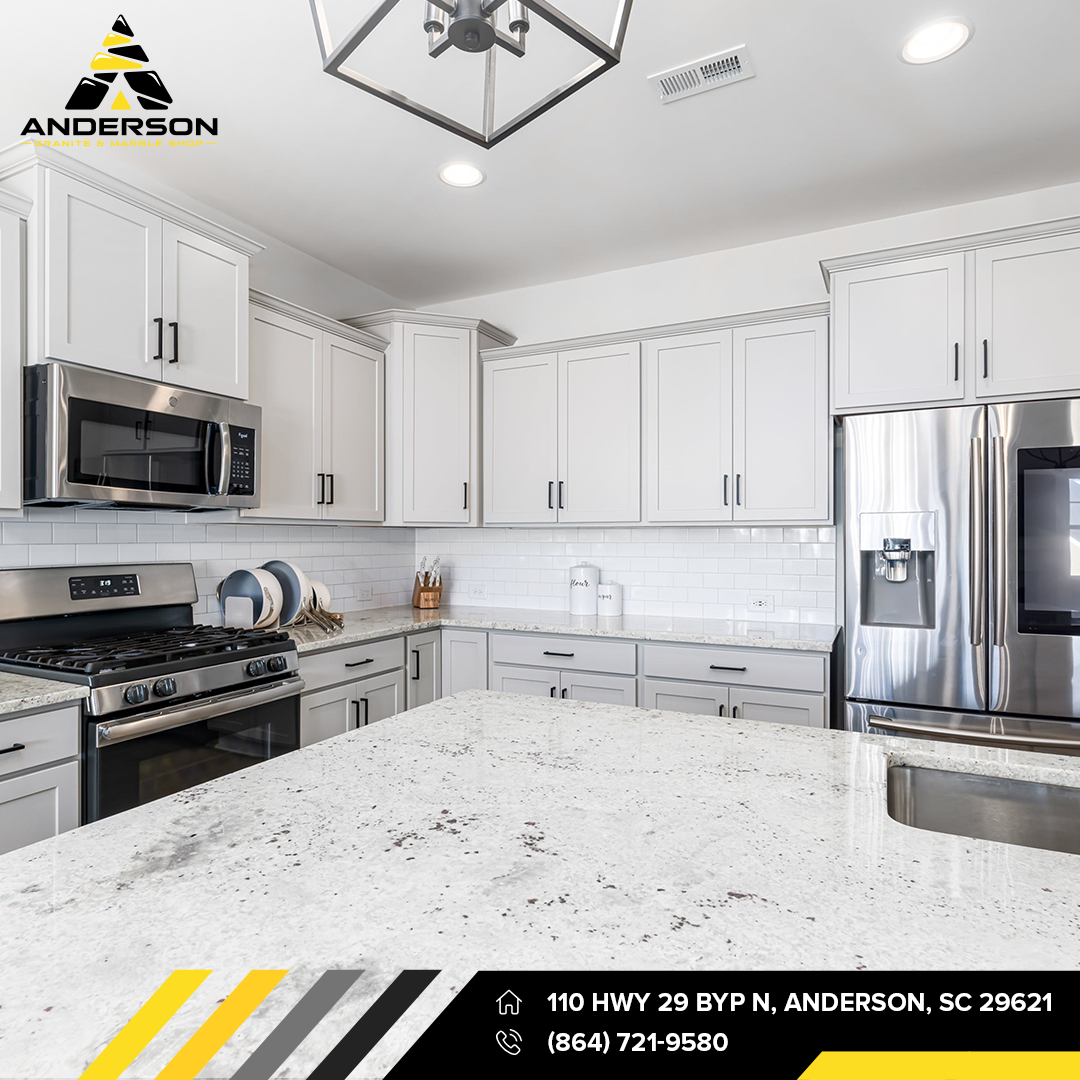
The heart of every home is built around the surfaces that support everyday life. In Seneca, South Carolina, kitchens have evolved from simple cooking spaces into multifunctional environments where meals are prepared, conversations unfold, guests are hosted, laptops are opened, kids do homework, morning coffee is poured, oils splatter, water runs constantly from sinks, seasonal humidity shifts, sunlight hits from wide windows, holiday dinners are arranged, and the countertops quietly witness it all. This transformation has increased the need for granite kitchen countertops in Seneca, SC, and it has also raised expectations for how these surfaces should be fabricated and installed.
At Anderson Granite & Marble Shop, our store has spent decades mastering the silent science behind a surface that looks effortless but performs flawlessly. Countertops are infrastructure. They are not décor. They must carry heat, moisture, impact, cleaning products, weight, daily motion, pattern alignment, leveling calibration, seam planning, edge precision, sink cut-outs, overhang support, epoxy matching, cabinet protection, and long-term durability. Our store has built trust by treating every slab as a long-term commitment.
Homeowners often arrive at our store with inspiration from photos online, but the real clarity begins when stone is experienced live. Granite tells its truth under light, touch, and comparison. When customers visit our store, they don’t just choose colors, they see how veining flows, how minerals sparkle, how finishes scatter or reflect light, how seams can be hidden, where cut-outs may create stress, how long overhangs require reinforcement, and how the stone will quietly age inside their kitchen.
The Rise of Granite Kitchen Countertops in Seneca, SC
Seneca has experienced steady residential growth, leading to more new builds and remodels. Homeowners searching for granite kitchen countertops in Seneca, SC want surfaces that look timeless, stay low-maintenance, and handle real daily use without stress. Granite remains the most trusted natural stone for kitchens because it tolerates heat, resists everyday wear, and delivers natural individuality. No two slabs are identical. This is not a flaw, it is the appeal.
Unlike other surface materials, granite can withstand hot cookware, seasonal temperature changes, humidity exposure, and daily motion. This is why granite continues to lead when homeowners compare stone families.
At Anderson Granite & Marble Shop, our expertise includes understanding stone density, seasonal expansion tolerance, and vein stability behavior before fabrication even begins. We treat granite as a long-term surface, not a short-term trend.
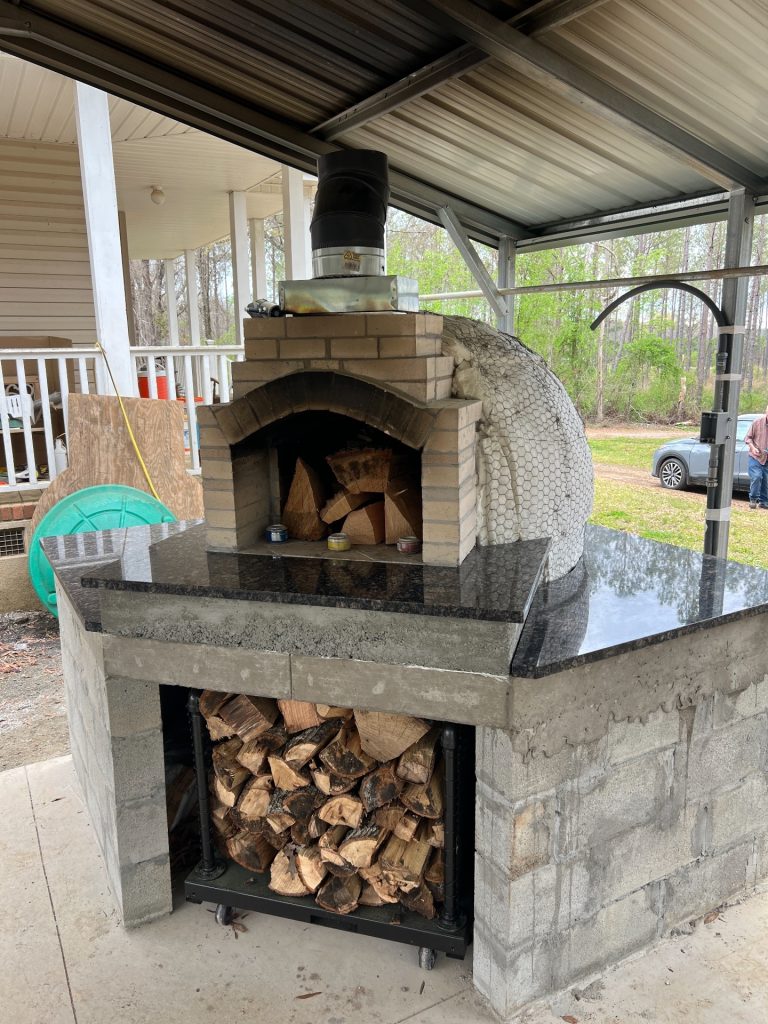
Why Showroom Selection Changes Everything
Many homeowners initially explore stone online, but stone looks different in photos than in real life. Cameras compress color. Filters flatten mineral detail. Lighting edits shift tone. Seams disappear unnaturally. Imperfections are blurred. Pattern continuity is lost. Epoxy tone matching is guessed. Edge profiles are assumed. Sink stress points are invisible. Overhang length is unclear.
But when you walk into our store, stone speaks clearly:
- Veins show their true motion under neutral daylight
- Minerals sparkle and reveal crystal depth
- Patterns can be compared side by side
- Finishes can be touched and evaluated
- Seam placement can be planned intentionally
- Epoxy tones can be tested on real samples
- Long islands can be templated with reinforcement logic
- Sink zones can be mapped before cutting begins
Seeing stone live changes decisions. It replaces guesswork with clarity.
At Anderson Granite & Marble Shop, our store encourages homeowners to bring cabinet samples, tile pieces, paint swatches, and even fabric samples, so the stone can be evaluated under the environment it will live in.
The Silent Engineering Behind Installation
The best installation is invisible in process, not in result. A professional installer thinks about:
- Stone weight load relative to cabinetry
- Wall angle deviation during templating
- Seam orientation following natural movement
- Sink cut-outs mapped to avoid pressure zones
- Overhang reinforcement rods selected by length and slab density
- Epoxy tones matched to the slab family base, not lighting
- Silicone sealing applied cleanly to protect joints
- Cabinet padding used during slab carry to protect floors and walls
- Leveling calibration respecting tolerances below 1/16 inch
These steps happen silently, but they define durability loudly later.
Our store believes that a slab should be templated carefully, fabricated once, inspected twice, reinforced intentionally, carried safely, epoxied with tone clarity, sealed cleanly, leveled precisely, installed confidently, and built to last for decades.
Popular Questions We Answer Every Day
1. What makes granite the best choice for kitchens?
Granite is the best choice for kitchens because it tolerates heat, resists scratches better than most materials, stays stable through humidity cycles, and increases home resale appeal silently. Quartz is nonporous, quartzite is extremely hard, marble is premium but porous, but granite balances beauty and durability best in busy cooking environments.
At Anderson Granite & Marble Shop, our store guides homeowners toward stones that quietly perform under daily use.
2. Do granite countertops require sealing?
Yes. Granite, quartzite, and marble benefit from sealing depending on porosity. Quartz never needs sealing. In our store, we seal every natural slab before installation so the surface begins protected, not pressured. A simple water drop test tells the truth: if water darkens the stone temporarily, sealing helps. If it beads up, the stone is already dense and calm.
Our expertise ensures sealing starts quietly and lasts long.

3. How long do professionally installed granite kitchen countertops last?
A professionally installed granite surface can last a lifetime. Most kitchens are installed within a few hours when templating and fabrication are accurate. Larger kitchens, waterfall islands, or multiple seam zones may take longer. But errors caused by rushing add weeks. Craft done once and done right quietly wins every decade after.
4. What are the biggest risks during cutting or transport, and how do installers prevent cracks?
Cracks happen when seam planning fights the slab movement, when sinks are cut without mapping pressure points, when long overhangs are not reinforced, when clamps are used instead of vacuum lifting, when epoxy tone is guessed instead of matched, when silicone sealing is rushed, or when slabs are carried without protecting cabinetry and floors.
Installers quietly prevent cracks by checking vein direction, slab density, sink pressure zones, seam orientation, reinforcement rod needs, epoxy tone matching, silicone sealing hygiene, vacuum lifting to avoid clamp stress, cabinet padding to protect environment, leveling tolerances below 1/16 inch, and safe carry orientation for veined stones.
Our store predicts stress before it exists.
Additional Keywords We Use Naturally in Our Expertise
- Countertop installation
- Granite slab fabrication
- Waterfall island countertops
- Quartz pattern islands
- Luxury stone surfaces
These terms reflect real homeowner language when choosing surfaces that quietly perform.
Why Seneca Homeowners Trust Our Craft
Homeowners in Seneca want clarity, durability, and craft that feels intentional. They want seams that are invisible, edges that are balanced, sinks that are cut precisely, overhangs that are reinforced, cabinets that stay protected, surfaces that are sealed calmly, epoxy that matches quietly, slabs that are lifted safely, and leveling tolerances that respect real home angles.
At Anderson Granite & Marble Shop, our store works every day to fabricate surfaces that quietly handle daily life, from steam-heavy bathrooms to heat-intense outdoor grilling zones.
This is why homeowners searching for granite companies in Seneca, SC return to our store for real slab viewing, silent diagnostics, accurate fabrication, and confident installation.
Final Reflection From Our Workshop POV
The best surfaces are not loud, they are lasting. Granite is unpredictable in pattern, not performance. Seams are intentional, not random. Edges complete architecture, not promotion. Sinks define stress zones, not frustration. Overhangs require physics, not guesswork. Epoxy must match stone, not lighting. Silicone sealing protects joints, not pressure points. Cabinet padding protects the environment, not confusion. Vacuum grips lift slabs, not clamp stress. Leveling tolerances respect the room, not the installer’s schedule. Craft sequencing defines durability, not trends. Stone education builds confidence, not pressure. Daily use defines aging, not callbacks. Resale value is increased silently, not promised loudly. Cabinet alignment is evaluated before cutting, not after install. Humidity cycles are planned for before fabrication, not after cracking. Heat zones are diagnosed before reinforcement, not after seam anxiety. Pattern continuity matters for islands, not punctuation marks. Slab personality is preserved, not guessed. Veining must flow, not fight. Mineral depth matters under daylight, not filters. Templating must respect angles, not edited compression. Installation should feel intentional, not rushed. Seams should follow movement, not interior light reflection. Sink zones should be mapped before cutting, not assumed. Overhang rods should be selected by density, not by guesswork. Epoxy tones should be matched on samples, not guessed on arrival day. Silicone sealing should protect joints, not be rushed for speed. Cabinet padding should protect floors, not walls, not be skipped. Vacuum grips should lift slabs, not clamps that stress veins. Leveling should respect tolerances, not be ignored for schedule. Craft sequencing should define durability, not trends that fade. Stone education should build confidence, not pressure that fades.